Home / News / Industry news / What are the differences between indoor and outdoor Laser Level?
What are the differences between indoor and outdoor Laser Level?
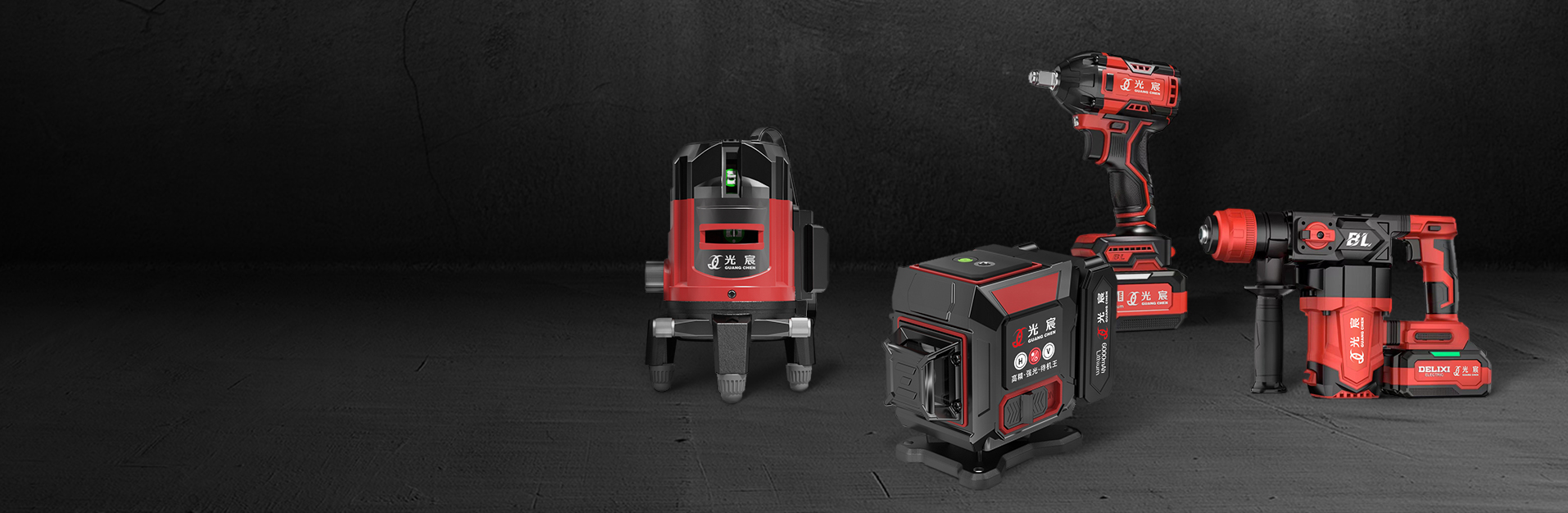
Laser levels are essential tools in construction, DIY projects, and surveying tasks, providing precision alignment for walls, floors, ceilings, and outdoor structures. While the core function of a Laser Level remains consistent—projecting a straight, level line—there are notable differences between devices designed for indoor and outdoor use. Recognizing these differences ensures accurate measurements and enhances efficiency for both professionals and hobbyists.
Key Differences Between Indoor and Outdoor Laser Levels
1. Visibility and Brightness
Indoor Laser Levels are designed to operate in controlled lighting conditions, where ambient light is moderate. They typically use lower-powered laser diodes that produce visible red or green lines. Green lasers are often preferred indoors because they appear brighter to the human eye compared to red lasers.
Outdoor laser levels, however, must compete with natural sunlight, which can make standard laser lines difficult to see. As a result, outdoor models often feature high-intensity lasers or pulse modes compatible with laser detectors, allowing users to detect the laser even in bright daylight conditions.
2. Range and Coverage
Indoor Laser Levels generally have a shorter working range, usually between 20 to 50 meters. This range is sufficient for typical indoor projects such as aligning shelves, installing cabinets, or laying tiles. They often include self-leveling features for quick and accurate horizontal and vertical alignment.
Outdoor laser levels, on the other hand, are designed for long-distance applications such as grading, excavation, or aligning posts. These models can project lines up to several hundred meters and are compatible with rotating or scanning features that increase coverage for large areas.
3. Durability and Environmental Resistance
Indoor laser levels are usually lighter and more compact, optimized for portability within homes or offices. They may have minimal dust or splash resistance, as indoor environments are generally controlled.
Outdoor laser levels are built for rugged conditions. They are often equipped with weatherproof housing, shock resistance, and dust protection. Some outdoor models can withstand rain, extreme temperatures, and rough handling, making them suitable for construction sites or open-air projects.
4. Power Source and Battery Life
Indoor models typically use standard batteries (AA or rechargeable lithium-ion) and offer moderate battery life, sufficient for home or office projects that last a few hours. Some indoor Laser Levels can be powered via USB charging.
Outdoor laser levels often require extended battery life due to prolonged use on large job sites. Many models include high-capacity rechargeable batteries or the option to use external battery packs. Additionally, some outdoor models feature energy-saving modes to prolong operation without frequent recharging.
5. Mounting and Accessories
Indoor Laser Levels often include simple tripods or wall mounts suitable for flat surfaces. Magnetic mounts for metal surfaces are common, providing flexibility for ceiling, wall, or floor alignment tasks.
Outdoor models frequently include heavy-duty tripods, grade rods, and rotating mounts to accommodate uneven terrain or construction-grade alignment requirements. Many outdoor models also support remote control operation, allowing adjustments without physically accessing the laser.
Comparative Summary: Indoor vs Outdoor Laser Levels
Feature
Indoor Laser Level
Outdoor Laser Level
Laser Visibility
Lower intensity; red or green laser suitable for moderate lighting
High-intensity or pulsed lasers; compatible with laser detectors
Range
20-50 meters
Up to several hundred meters
Durability
Lightweight, minimal dust/water protection
Rugged, weatherproof, shock-resistant
Power Source
Standard batteries or USB charging
High-capacity rechargeable batteries or external packs
Mounting
Compact tripods, magnetic mounts
Heavy-duty tripods, grade rods, remote control
Applications of Indoor and Outdoor Laser Levels
Indoor Applications
Installing shelves, cabinets, and kitchen units
Aligning tiles, wallpaper, and floor panels
Ceiling and lighting installation
Framing walls or partitions
Outdoor Applications
Land grading and excavation
Fence and post alignment
Road and pavement leveling
Large-scale construction projects
Tips for Choosing the Right Laser Level
Selecting a Laser Level depends on the intended use:
For indoor tasks: prioritize compact size, green laser visibility, and self-leveling accuracy.
For outdoor tasks: choose high-intensity or pulsed lasers, long-range capabilities, weatherproof housing, and accessories suitable for rugged terrain.
Consider battery life and charging options based on project duration and mobility needs.
Frequently Asked Questions (FAQ)
1. Can an indoor laser level be used outdoors?
While possible in low-light conditions, indoor laser levels are generally insufficient for outdoor use due to limited brightness and range. A specialized outdoor laser level is recommended for accurate measurements under sunlight.
2. Why are green lasers preferred indoors?
Green lasers are more visible to the human eye compared to red lasers, making them easier to see under moderate indoor lighting conditions. They provide better contrast against walls, floors, and ceilings.
3. Are outdoor laser levels waterproof?
Most outdoor laser levels are designed to withstand rain and dust, often rated with IP54 or higher standards. However, it's essential to check the manufacturer’s specifications for full environmental protection details.
4. What is a self-leveling laser level?
A self-leveling laser level automatically adjusts its line to be perfectly horizontal or vertical, saving time and improving accuracy. This feature is common in both indoor and outdoor models.
5. How important is battery life for laser levels?
Battery life is critical, especially for outdoor models used in extended projects. Long-lasting batteries or external battery packs prevent interruptions and maintain measurement consistency.
Understanding the differences between indoor and outdoor Laser Levels ensures optimal performance for specific tasks. Indoor models excel in controlled environments with shorter ranges, while outdoor models provide long-range visibility, rugged durability, and environmental resilience. Selecting the right laser level tailored to the application enhances accuracy, efficiency, and project quality.



 English
 русский
 Español
 عربى
عربى