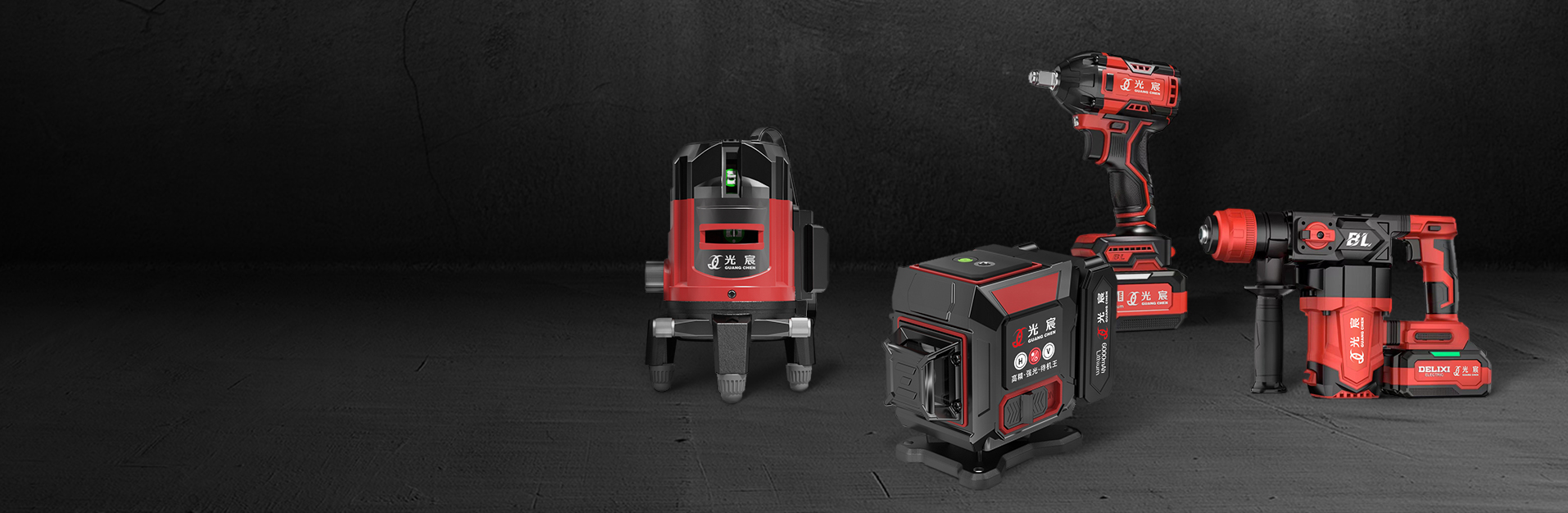
A laser level is one of the most precision-driven tools in construction, surveying, and interior alignment. However, its accuracy and visibility depend heavily on the surrounding environment. From ambient light intensity to temperature fluctuations and surface conditions, understanding the ideal working environment for a laser level ensures consistent, reliable results on every job.
The most critical environmental factor for any laser level is ambient light — the natural or artificial light already present in the workspace. Laser beams compete directly with surrounding light for visibility, and in bright conditions, the projected line or dot can become nearly impossible to see with the naked eye.
| Environment | Ambient Light Level | Laser Visibility | Recommendation |
| Indoor (dim) | Low | Excellent | Standard red or green laser |
| Indoor (bright fluorescent) | Medium | Moderate | Green laser preferred |
| Outdoor (overcast) | High | Poor (naked eye) | Use a laser detector |
| Outdoor (direct sunlight) | Very High | Invisible to naked eye | Laser detector required |
Green laser levels are approximately four times more visible to the human eye than red ones at the same power level, making them significantly more suitable for brighter indoor environments.
Temperature extremes can significantly impact the internal components of a laser level, particularly the pendulum-based self-leveling mechanism and the laser diode itself.
Most professional laser levels are designed to operate within the following temperature range:
Construction and renovation environments are often dusty, wet, or vibration-prone. A laser level must be matched to the conditions of the specific job site.
Most industrial-grade laser levels carry an IP (Ingress Protection) rating, which defines resistance to dust and water:
| IP Rating | Dust Protection | Water Protection | Suitable For |
| IP54 | Partial | Splash-proof | Light indoor/outdoor use |
| IP65 | Full dust-tight | Water jets resistant | Outdoor construction |
| IP67 | Full dust-tight | Temporary immersion | Wet or rainy environments |
The surface onto which a laser level projects its beam also plays a critical role in usability. Different materials reflect or absorb laser light differently.
A laser level is only as accurate as its mounting surface. Even small vibrations — from nearby machinery, foot traffic, or unstable tripods — can shift the beam and compromise measurements.
| Factor | Ideal Condition | What to Avoid |
| Ambient Light | Dim to moderate indoor lighting | Direct sunlight without detector |
| Temperature | 50°F – 95°F (10°C – 35°C) | Freezing temps or direct heat exposure |
| Humidity/Dust | Dry, clean air | Heavy rain, fog, or concrete dust |
| Target Surface | Matte white or light-colored walls | Dark, glossy, or mirrored surfaces |
| Stability | Solid tripod on flat ground | Loose surfaces or active vibration |
| Range | Within manufacturer's rated distance | Exceeding range without a detector |
Getting the most out of a laser level goes beyond simply powering it on. Ambient lighting, temperature, surface type, moisture levels, and workspace stability all directly influence the tool's accuracy and lifespan. By understanding and controlling these environmental variables, professionals and DIY users alike can ensure their laser level delivers precise, repeatable results — whether leveling a ceiling, aligning tile, or setting grade outdoors.
Always consult the manufacturer's specifications for your specific laser level model, as operating limits can vary significantly between entry-level and professional-grade instruments.
Copyright 2023 Jiangsu Guangchen Electronic Technology Co., Ltd. All Rights Reserved
China Lithium Power Tools Supplier

English
русский
Español
عربى