Laser levels are essential tools for professionals and DIY enthusiasts, especially in construction and renovation projects. They help ensure accurate and precise measurements, making them invaluable for tasks such as installing cabinets, tiling, or aligning walls. However, choosing the right laser level can be challenging due to the wide variety of options available.
There are several types of laser levels, each suited for different tasks. Understanding the difference between them is the first step in choosing the right tool for your project.
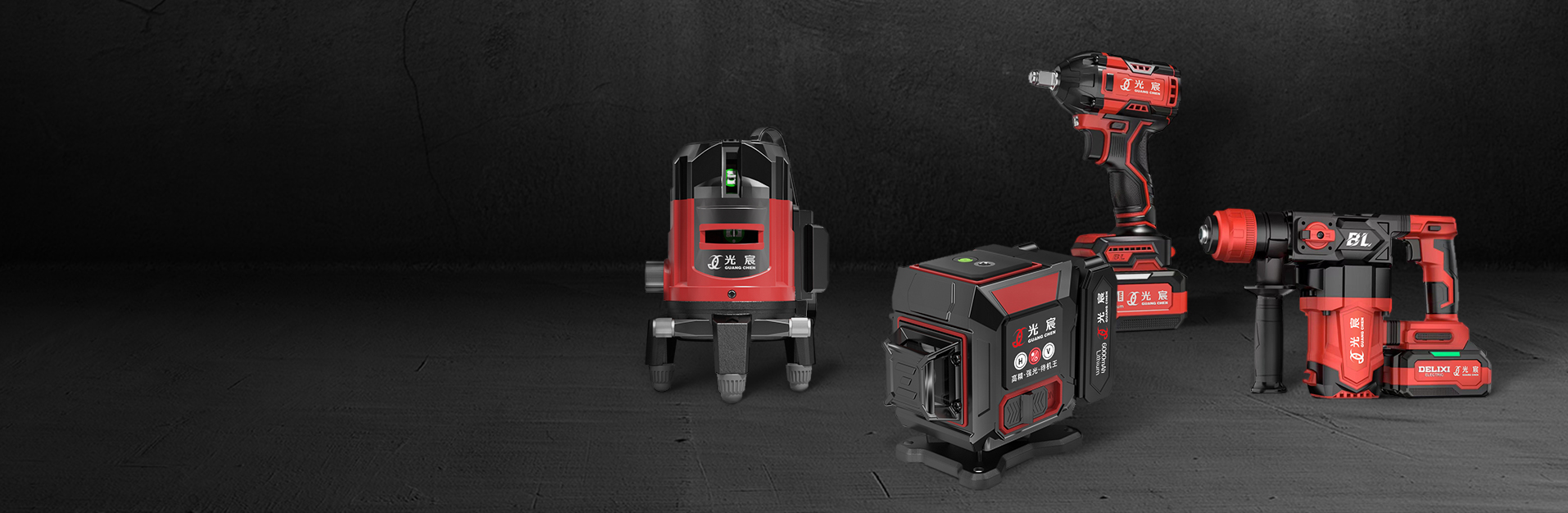
Line laser levels project a straight horizontal or vertical line, ideal for tasks like hanging pictures or tiling. They provide a clear reference point for alignment and are commonly used in smaller renovation projects.
Rotary laser levels are more advanced and are typically used for larger-scale construction projects. They emit a laser beam that rotates 360 degrees, providing a level reference point over a wide area. These are perfect for projects like pouring concrete or grading land.
Dot laser levels project laser points rather than lines and are commonly used for tasks that require precise alignment of specific points. These are best suited for smaller, precision-based applications.
Self-leveling laser levels automatically adjust to ensure the laser line is perfectly level, making them highly accurate and easy to use. They are ideal for both professional contractors and DIY enthusiasts, as they minimize the risk of errors.
When selecting a laser level, consider the following factors:
The accuracy of a laser level is crucial, especially for professional applications. Most laser levels are accurate to within a few millimeters, but it’s important to check the product specifications to ensure it meets your project requirements.
Different laser levels offer different ranges, which refer to the distance over which the laser line remains visible and accurate. If you are working on large construction projects, choose a laser level with a longer range.
Since construction environments can be harsh, durability is a key factor. Opt for laser levels that are built to withstand rough conditions, especially if you plan to use them frequently. Look for products with protective casings and water-resistant features.
Consider how long the laser level’s batteries last. Some models come with rechargeable batteries, while others use disposable ones. If you’re working on extended projects, a long battery life is essential.
Some laser levels come with tripod mounts or wall brackets for easy setup. These can be particularly useful for projects where you need to project lines across large areas.
Now that you know the different types of laser levels and their key features, here are some tips on how to choose the best one for your needs:
Yes, many laser levels are designed for outdoor use. However, you need to choose a model with a higher range and brighter laser, as outdoor conditions can reduce visibility.
To ensure accuracy and longevity, regularly clean the lens and keep the device in a protective case when not in use. For models with rechargeable batteries, ensure the battery is properly charged before use.
Yes, most laser levels can project both horizontal and vertical lines. Check if the model you choose supports both, or opt for a rotating model for 360-degree alignment.
Selecting the right laser level depends on the scope of your project, the precision required, and your budget. Consider the factors discussed here and compare different models to make an informed decision. With the right laser level, you can significantly improve the accuracy and efficiency of your renovation or construction project.
Copyright 2023 Jiangsu Guangchen Electronic Technology Co., Ltd. All Rights Reserved
China Lithium Power Tools Supplier

English
русский
Español
عربى